If you require a first aid certificate in Jandakot for work, volunteer tasks, or comfort, you want a clear course that gets you educated, assessed, and back to your life without shocks. This short article goes through reasonable options, practical timelines, expenses to expect, what the training covers, and how to select a supplier in the Jandakot area. I describe processes I've seen companies and individuals utilize effectively, and flag typical challenges so you can make a certain decision.
Why getting licensed in Jandakot matters First aid abilities are disposable however quickly useful. An appropriately done CPR or an ideal reaction to an asthma strike modifications results, not likelihoods. Regional workplaces, area teams, and many permits anticipate an across the country acknowledged certificate, not just an on-line badge. For Perth residents, Jandakot supplies numerous neighboring training options, commonly with adaptable scheduling for shift workers and weekend break learners.
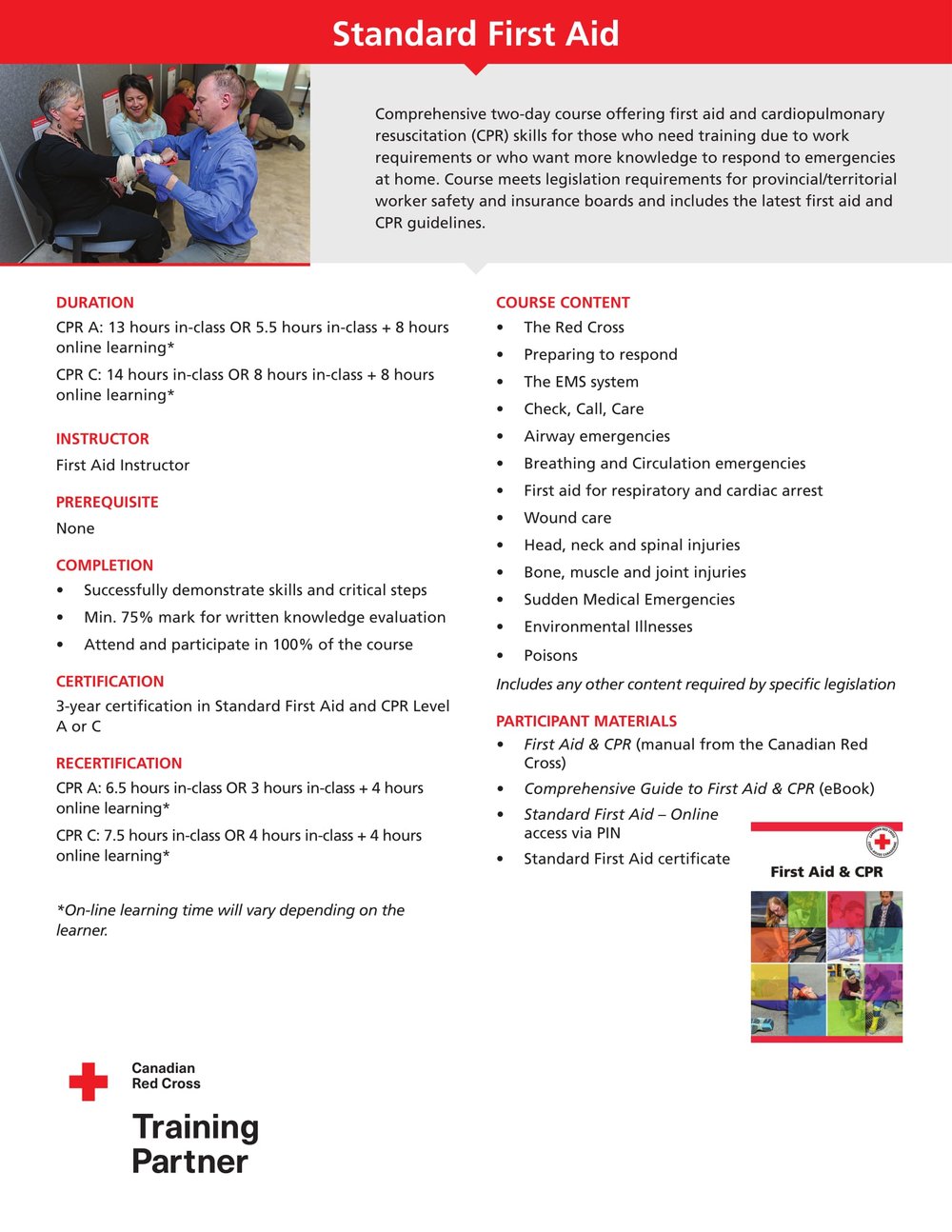
Which qualification do you require Australian employers usually approve the country wide recognised device HLTAID011 Offer first aid. For CPR on its own lots of courses problem HLTAID009 Provide CPR. If your role particularly calls for both, seek a course that issues HLTAID011 and HLTAID009 together or that bundles first aid and CPR training. Some markets request for refresher course CPR much more frequently, so check job specs or Safe Work requirements before you book.
A reasonable timeline Expect to invest a half day to a full day in face-to-face training for preliminary certification, usually between 4 and 8 hours. The typical arrangement I see is a 1-day course of concerning 6 hours that incorporates first aid and CPR. If you currently hold a current certificate and just need a CPR refresher course, a 2 to 3 hour course typically suffices. Suppliers in some cases divided that into early morning and afternoon sessions; others run condensed evening programs across 2 evenings for shift workers.
Typical costs and what affects cost Rates in and around Jandakot vary with course size, the instructor's qualifications, and whether the session is in-house or public. Anticipate the adhering to approximation, which mirror several suppliers I've contrasted:
- 1-day first aid course including CPR: AUD 110 to AUD 180 per person CPR-only refresher course: AUD 40 to AUD 60 per person Workplace in-house courses for teams: pricing per head often declines as soon as you reach 8 to 10 participants, with a base cost for trainer travel and setup
If a carrier advertises an extremely reduced cost, inspect whether the analysis and qualification are included, and whether the course is in person. Online-only courses without a sensible assessment will certainly not fulfill many employer requirements.
Where to learn Jandakot Jandakot is mainly industrial and household outskirts of Perth, so training choices come under three useful classifications: regional licensed training organisations and neighborhood colleges nearby, company or private first aid companies that take a trip to work environments in Jandakot, and huge training centres in central Perth that offer the entire metropolitan area. Each has trade-offs.
Smaller regional suppliers Pros: shorter travel, often more versatile days, smaller sized courses. Cons: minimal capability for big workplace reservations, in some cases fewer weekend break options.

Large training centres Pros: regular scheduled sessions, clear credentialing and management support. Disadvantages: even more travel time, bigger classes where hands-on method can feel rushed if the trainer does not take care of the group.
Workplace or on-site training Pros: convenient scheduling for groups, training customized to your workplace hazards. Disadvantages: minimal individual numbers and a configuration charge can make this costly for tiny groups.
Choosing a provider: what to look for Beyond cost and location, concentrate on a few non-negotiables. Initially, the service provider should be a registered training organisation or a recognised first aid training firm that makes use of country wide certified assessment tools. Second, fitness instructors ought to be existing practicing first aid teachers with current qualifications and clear experience supplying useful evaluations. Third, check course framework: a great course mixes short, focused theory segments, hands-on exercise with manikins and AEDs, reasonable scenario drills, and a last assessment that evaluates functional skills instead of memorizing answers.
Practical checklist: obtaining licensed quickly in Jandakot
Confirm the exact device you need with your employer or regulator Choose a provider with a scheduled session within the next 2 weeks Book online, pay the charge, and demand pre-course materials Bring ID and any existing certificates to the class for acknowledgment of previous learning Attend the session, finish the practical assessment, and obtain electronic certificateWhat takes place on course day Arrival and administration normally take 10 to 20 mins. Trainers will certainly check ID, confirm enrolment details, and explain assessment criteria. Courses stream best when trainers keep concept succinct and centred on recognition and response principles: main study, patient positioning, CPR strategy and AED usage, wound management, choking, anaphylaxis treatment consisting of EpiPen use, and taking care of cracks and shock.
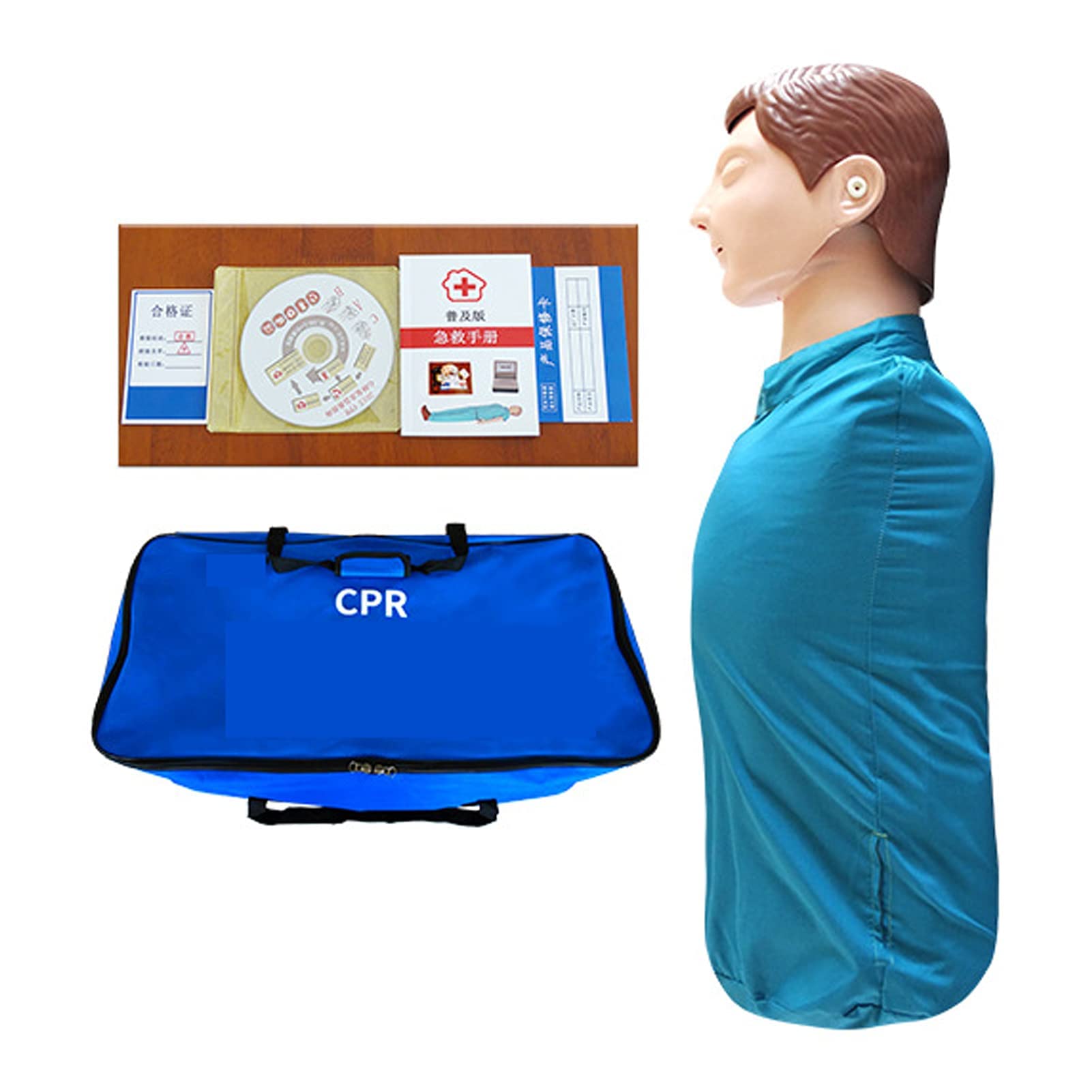
Expect significant hands-on time. For CPR you will certainly invest duplicated mins exercising upper body compressions and air flows on a manikin, with the fitness instructor correcting hand setting, compression deepness and price. For anaphylaxis you will certainly practice management of an adrenaline autoinjector on a fitness instructor dummy. Instructors must observe each student carry out key abilities for analysis. If the course is also big or the fitness instructor is apathetic, ask before the day regarding optimum student-to-instructor ratios.
Assessment and providing certifications Assessment is expertise based. That implies you need to demonstrate risk-free and appropriate efficiency of vital tasks. Multiple efforts are sensible if you need training; a good fitness instructor will remediate and re-assess you, not simply fail you. On successful evaluation the service provider issues a declaration of accomplishment for HLTAID011 or HLTAID009 where relevant, usually in digital form within a couple of days. You need to receive a PDF that provides the unit code, day of concern, and the RTO's details. Companies typically maintain an electronic record, and some service providers will upload the result to national databases.
Refresher policies and expiration Most companies expect you to keep first Browse around this site aid accreditation current. For CPR particularly, advice is commonly to rejuvenate every twelve month. For the full first aid certificate HLTAID011 the usual employer expectation is every three years for the device, with CPR rejuvenated annually. Note that regulations can differ by industry, so validate the precise demand that relates to you. If you allow your certificate gap past whatever a company needs, you typically have to take back the complete course; some RTOs will give a shorter refresher only if your certificate ran out within a specific window.
What to bring and just how to prepare
- government-issued photo ID, such as a chauffeur licence or passport your existing certificate if you are doing a refresher course or obtaining recognition of prior learning comfortable clothes for stooping and carrying out CPR for technique sessions any work environment forms if your employer is paying or calls for certain paperwork
Real-world instances and compromises I bear in mind a tiny structure subcontractor in Jandakot who scheduled an on-site class for eight employees. They wanted the most cost-effective option, so they picked the instructor with the most affordable per-person rate. The fitness instructor showed up with one manikin for eight individuals. The course fulfilled the letter of the demand, yet several employees left nervous about their functional capacity. The subcontractor later on reserved a 2nd session at a larger training centre with smaller sized groups. The preliminary savings proved incorrect economic situation. That experience highlights an usual compromise: less costly courses are fine for documentation, however if you desire confidence under stress choose a provider that prioritises hands-on method even if the cost is higher.
Another common circumstance involves shift employees in Jandakot. A FIFO employee needed a certificate urgently to begin an on-site duty. They located an evening course that divided the product into 2 short sessions throughout successive evenings, which permitted presence without taking entire times off. The course was a little more expensive, but useful for a person who can not pay for long lost wages.
Special cases and workplace risks Not every first aid need is the same. If you function around chemicals, hefty equipment, or in outdoor settings where rescue and long waits for paramedics are possible, connect that to the provider when booking. Trainers can adjust scenarios to cover burns with chemical direct exposure, crush injuries, or expanded casualty treatment. For child care or aged treatment duties, choose a course that includes paediatric first aid skills; some providers supply HLTAID012 or tailored paediatric components that are not covered in common adult-focused first aid. If your workplace requires job-related first aid levels or advanced resuscitation training, you might require different recognized systems beyond HLTAID011.
How companies deal with bookings and credential checks Smaller sized employers typically compensate course fees if the training meets their demands. Several larger companies preserve chosen provider checklists and prepare group reservations on-site. It is excellent practice for staff to send certifications to human resources as a PDF and to keep the initial digital certificate risk-free. Some offices do routine audits and anticipate digital documents. If you are a contractor, maintain your certificate on your phone and email a duplicate to clients when requested.
Common pitfalls to avoid
- accepting online-only courses that do not have a supervised useful analysis, if your employer calls for a country wide identified in person certificate assuming all first aid certificates have the exact same expiry rules, as opposed to checking certain task or regulatory authority standards choosing the cheapest course without verifying trainer-to-student ratios and the quantity of sensible time scheduled failing to bring ID or an existing certificate, which can postpone evaluation or stop acknowledgment of prior learning
Booking suggestions to speed certification Schedule a well established service provider with frequent public sessions so you can get involved in the following offered class. If you require certification within days, call providers straight as opposed to relying on internet forms; teachers in some cases hold emergency situation slots for immediate clients. For groups of 5 or even more, ask about on-site training and request a firm quote that includes travel charges. If your company will pay, ensure they have the RTO invoicing details before the session to stay clear of management hold-ups in obtaining the certificate.
After the course: maintaining abilities sharp Skill decay is real. Practise compressions on a manikin when you can, or a minimum of rehearse the sequence mentally: inspect responsiveness, send for aid, open air passage, check breathing, start CPR, use AED. Regional area groups and office safety teams occasionally run short practice or refreshers; these are worth addressing maintain muscle memory undamaged. Bring a straightforward pocket guide or download and install a main first aid app authorized by a trusted supplier as a recommendation in between official refreshers.
Where to examine qualifications Make sure the training organisation is reputable by asking for their RTO number and validating it against first aid training in my area the nationwide register at training.gov.au. Fitness instructors need to be able to show existing teacher credentials and be able to clarify analysis criteria. If a service provider provides uncommon insurance claims, such as life time qualification without ongoing analysis, deal with that as a red flag.
Final choices: how to choose for Jandakot If rate is the key goal and you simply need a certificate for induction, choose the local reputable provider with a public course in the next week and clear up that the certificate meets your company's unit demands. If confidence and useful proficiency matter more, focus on smaller courses and specific hands-on practice time, also if that presses the session out by a few days. For teams and offices, weigh the minimal expense of on-site training against shed manufacturing time when personnel travel to city centres.
Quick recap of options The most basic route to certification in Jandakot is to choose a one-day HLTAID011 course with HLTAID009 included, go to a close-by public session, and get your electronic declaration of accomplishment within a couple of days. If you need CPR only, choose a certified HLTAID009 refresher course, normally two to three hours long. For workplace-specific dangers or paediatric needs, inform the company beforehand so they customize circumstances and assessments.
If you entrust to nothing else, bear in mind three sensible actions: check which device code your company needs, verify the session includes a monitored sensible evaluation, and insist on ample hands-on time during the course. Those actions track with both workplace conformity and real-world readiness, and they make the distinction in between a certificate that sits in a documents and skills you can count on when it matters.